

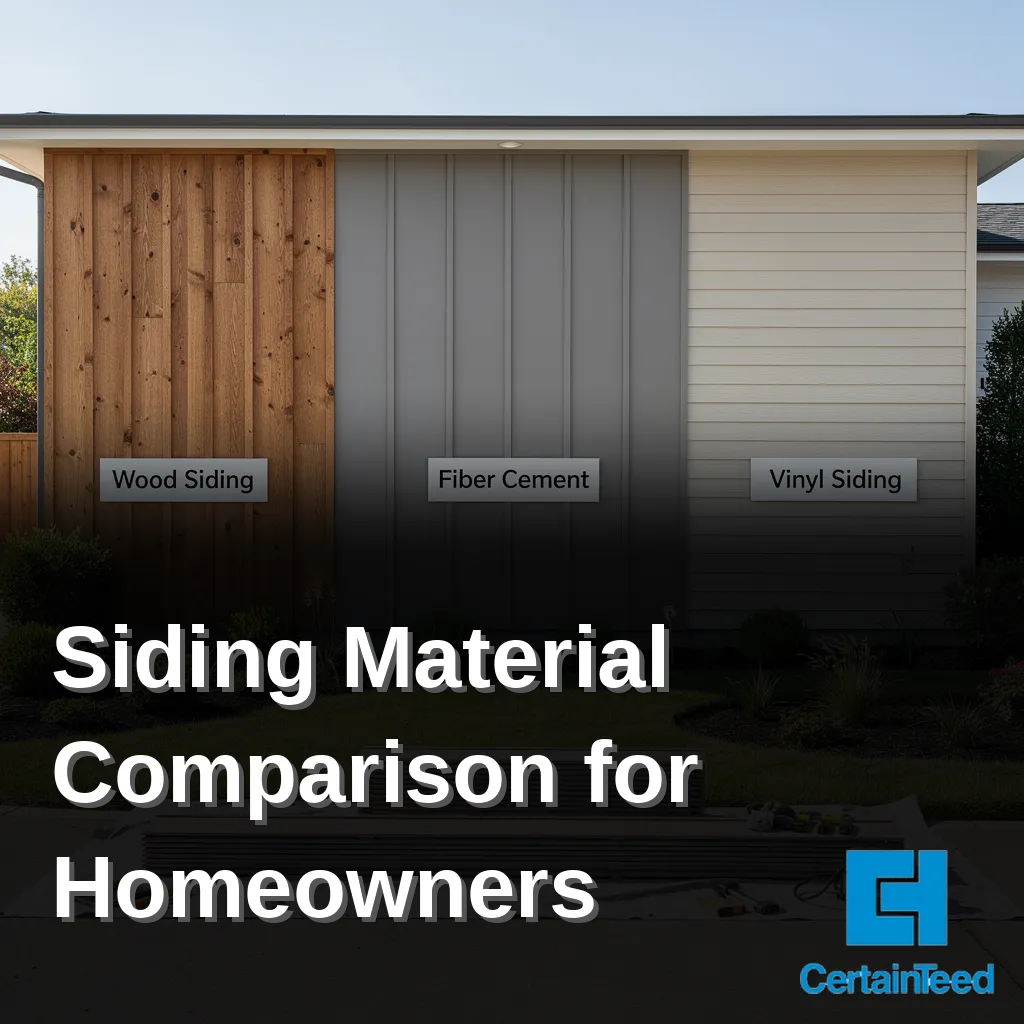
Compare vinyl, wood, fiber cement, and brick siding with this siding material comparison for homeowners.
Vinyl, fiber cement, and wood remain the top three siding choices for homeowners. Fiber cement siding durability stands out with a 50-year lifespan and strong fire resistance, while vinyl costs less upfront. Gorilla Exteriors Contracting LLC, based in Bonner Springs, Kansas, recommends fiber cement for Midwest homes facing harsh weather conditions year-round.
Siding material comparison shows vinyl, wood, and synthetic options each carry distinct costs and durability, with average replacement projects typically around $11,503, according to recent Angie.com data. Brick remains priciest at $10-$20 per square foot. Gorilla Exteriors Contracting guides clients through Kansas City siding replacement projects across Kansas City, helping homeowners choose materials for lasting curb appeal and protection.
Key Takeaways
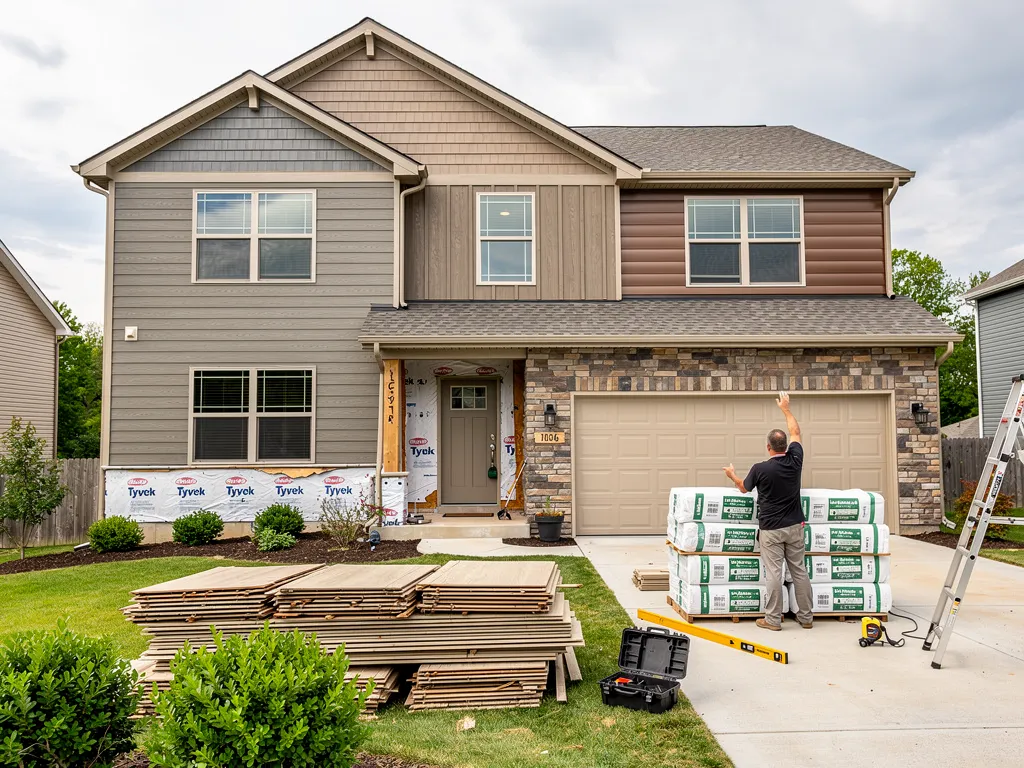
- Vinyl, fiber cement, metal, and stone siding options deliver wood aesthetics at significantly lower costs than authentic wood.
- Removing old siding before installation ensures proper foundation preparation and prevents structural complications from layered materials.
- Recent data shows average siding replacement costs vary depending on material selection and home size.
- Modern siding materials protect homes from weather elements while enhancing curb appeal with versatile textures, colors, and styles.
What Drives Siding Material Costs?
Material choice, labor, and project scope together set the price of a siding job. Nationally, siding replacement averages around $11,503, with most projects landing between $5,570 and $17,595 for materials and installation, according to recent Angie.com data. That range reflects a wide gap between budget-friendly options and premium finishes, which is exactly why a clear Siding Material Comparison for Homeowners matters before signing a contract.
Per-square-foot pricing tells the real story in any siding cost per square foot comparison. Brick sits at the top of the market, running $10 to $20 per square foot. Wood, composite wood, and vinyl remain the most affordable choices for homeowners watching their budget.
Why does siding cost vary so much between materials?
Durability, manufacturing complexity, and installation labor all factor into price. Brick requires skilled masonry work and lasts for generations, pushing its cost far above vinyl or wood. Composite and vinyl siding install faster and use less specialized labor, keeping their price lower.
What triggers an unplanned siding expense?
Most homeowners never think about siding until a problem forces the issue. A hailstorm can punch through aging vinyl, moisture can creep behind warped wood planks, and a neighbor’s fresh fiber cement upgrade can suddenly make an older exterior look a decade behind. Gorilla Exteriors Contracting serves homeowners across the region who need a fast, reliable damage assessment before small issues become costly replacements. A Free Evaluation/Estimate remains the fastest way to get an accurate, project-specific estimate.
How Do Vinyl, Wood, and Fiber Cement Compare?
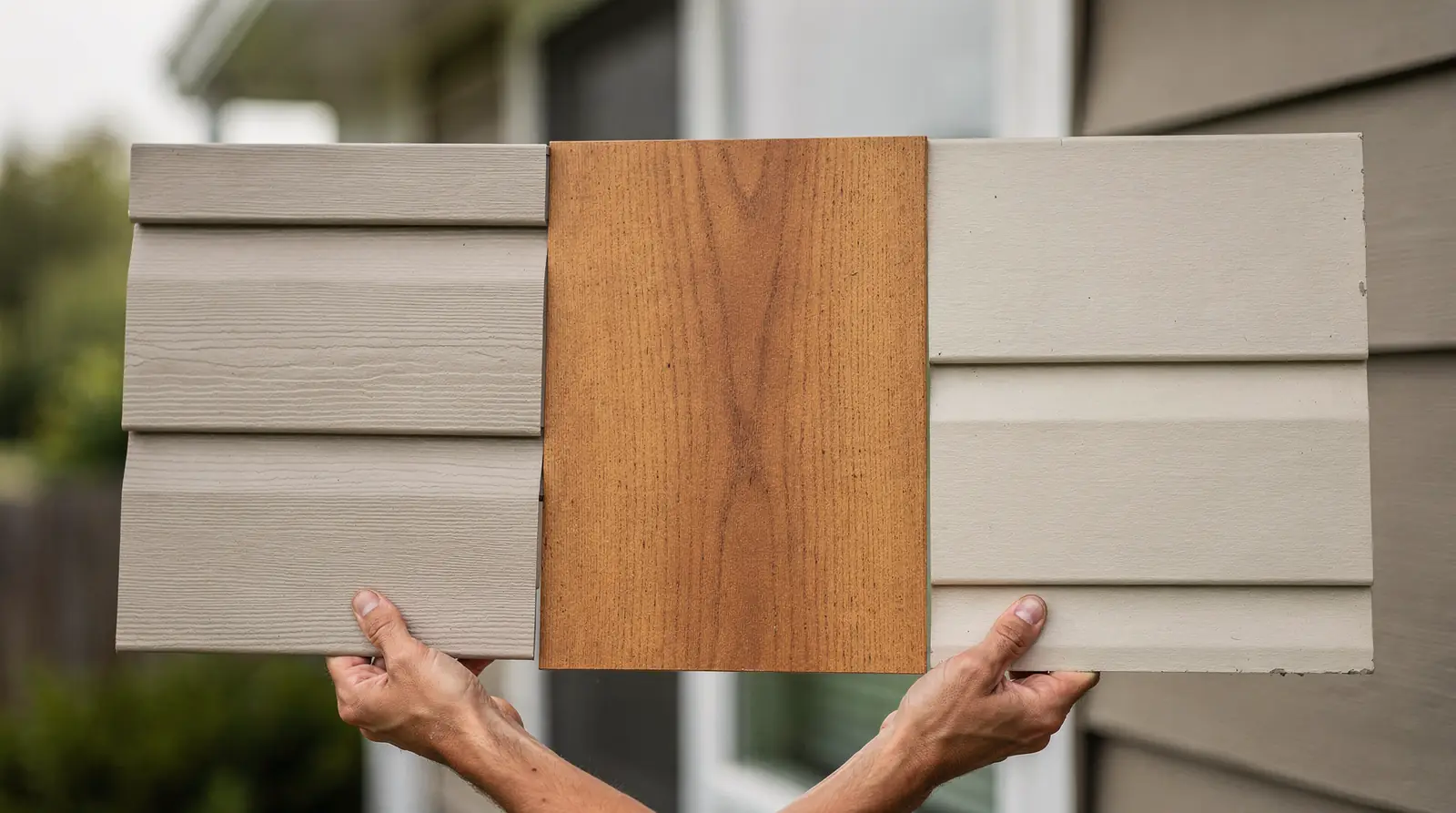
Three materials dominate most siding material comparison for homeowners research: vinyl, wood, and fiber cement, and each carries a distinct trade-off between cost, appearance, and upkeep. No single option wins every category. That’s the reality worth accepting before committing to any exterior replacement project.
Vinyl siding starts with PVC resin, a plastic base that keeps material costs low while holding up against daily wear. Homeowners get an appealing range of colors and styles without paying a premium. Installation crews also favor vinyl because long panels attach to exterior walls using simple nails or clips, which shortens labor time compared to heavier materials.
Wood remains the classic choice for homeowners chasing natural texture and grain. Wood siding maintenance typically demands more attention over its lifespan, including regular painting or staining to guard against moisture. Fiber cement splits the difference, offering a rigid, durable profile that many homeowners weigh against wood’s traditional charm.
Can vinyl siding look like wood?
Modern vinyl and synthetic panels use deeper profiles and improved graining that cast wider shadows across the surface. This engineering mimics wood’s dimensional look at a fraction of the price homeowners would pay for solid lumber.
Gorilla Exteriors Contracting serves homeowners weighing these options and travels to job sites to walk through material trade-offs in person — contact the team today for a free consultation.
How Should You Choose and Install New Siding?

Four factors determine the right siding choice for any home: climate, upfront and long-term budget, maintenance tolerance, and architectural style. Skipping this evaluation leads to premature wear, mismatched curb appeal, or repairs that cost far more than a careful selection process would have. A confident siding material comparison for homeowners starts with these four questions, not with a catalog of colors.
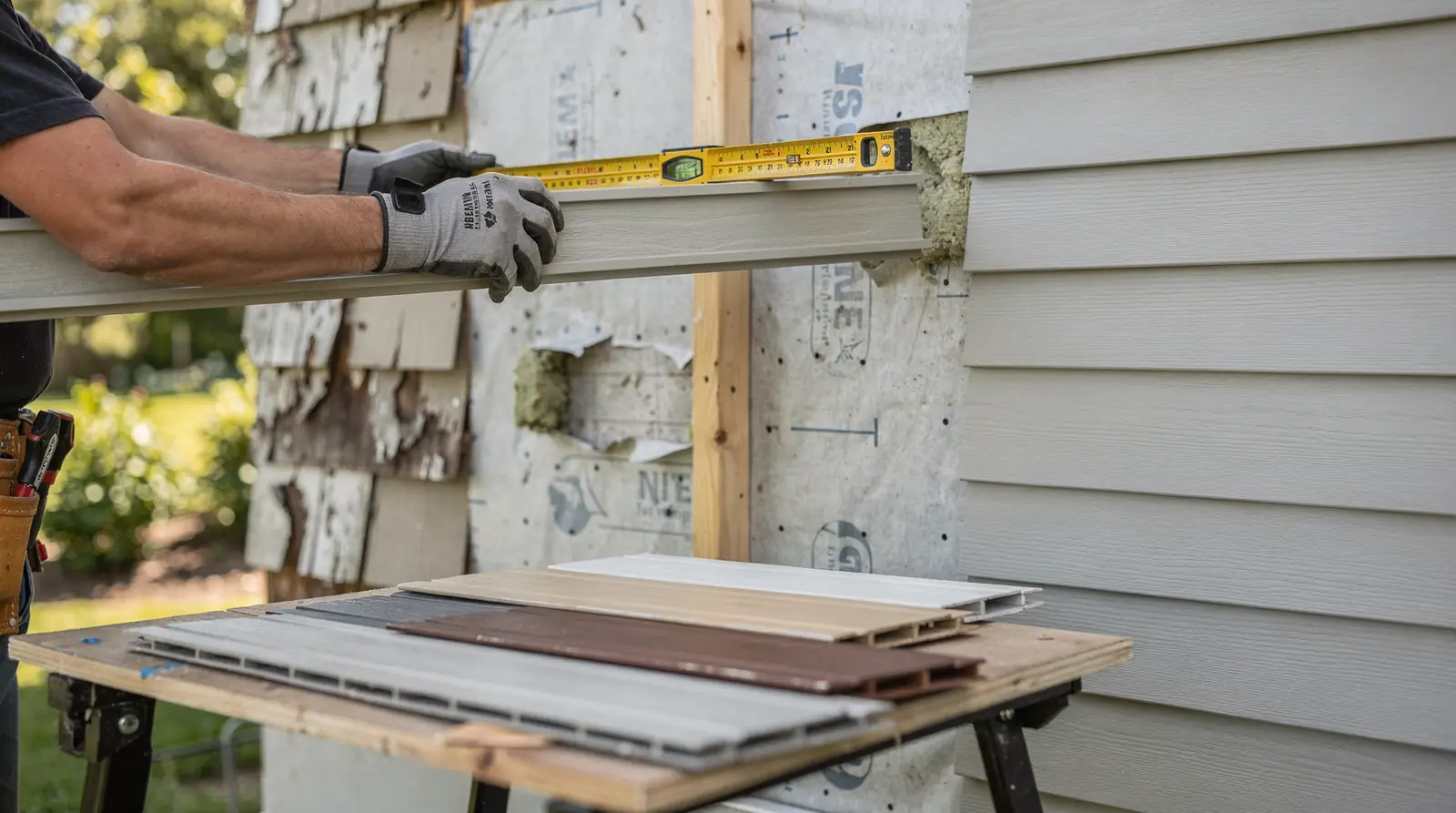
Installation matters as much as material choice. Removing old siding before installing new panels is the smarter approach. It exposes damaged sheathing that needs repair before new material goes up. Tearing off the old layer typically adds cost to the project. Skipping that step risks trapping rot or moisture behind a fresh exterior.
Is re-siding a good time to replace windows too?
Yes. Siding often has to come off around window openings anyway, making a re-siding project a practical window to handle both upgrades at once. Homeowners planning a window replacement in the next few years save labor and disruption by coordinating the two projects together.
Gorilla Exteriors Contracting, based in Bonner Springs, Kansas, serves homeowners planning siding replacement and welcomes inquiries from clients ready to discuss their project. Reach out today for a personalized siding consultation.
FAQ
What is the most expensive siding material?
Brick sits at the top of the market, running $10 to $20 per square foot due to the skilled masonry work required. It lasts for generations, pushing its cost far above vinyl or wood.
What is the average cost of a siding replacement project?
National siding replacement averages around $11,503, with most projects falling between $5,570 and $17,595 for materials and installation, according to recent Angie.com data.
Why is vinyl siding a popular budget-friendly choice?
Vinyl starts with PVC resin, a plastic base that keeps material costs low while holding up against daily wear. Long panels attach using simple nails or clips, shortening labor time compared to heavier materials.
Conclusion

In closing, selecting the right siding material transforms your home’s protection and appearance for years to come. Your choice depends on balancing durability, maintenance requirements, aesthetic preferences, and long-term value. By understanding each material’s strengths and limitations, you make an informed decision that aligns with your property’s needs and your lifestyle. The right siding investment enhances your home’s curb appeal while delivering reliable performance through Kansas weather and seasons ahead.




