

Energy-efficient window options combine ENERGY STAR-rated glass packages, durable frame materials and climate-specific coatings to cut heat loss and lower utility costs. Homeowners replacing single or double-pane windows gain better insulation, reduced drafts and improved comfort year-round. Gorilla Exteriors Contracting installs these window systems throughout the Kansas City metro.
Key Takeaways
- Evaluate window type, frame material, and ENERGY STAR® ratings to maximize efficiency and comfort.
- Proper installation combined with climate-specific glass selections reduces heat loss significantly in Kansas homes.
- Old, drafty windows waste substantial energy and create discomfort during extreme weather conditions.
- NFRC performance labels help you compare windows and select the best option for your home.
- Gorilla Exteriors Contracting offers a free evaluation so homeowners can get a tailored estimate before committing to a window upgrade.
What Defines an Energy-Efficient Window?
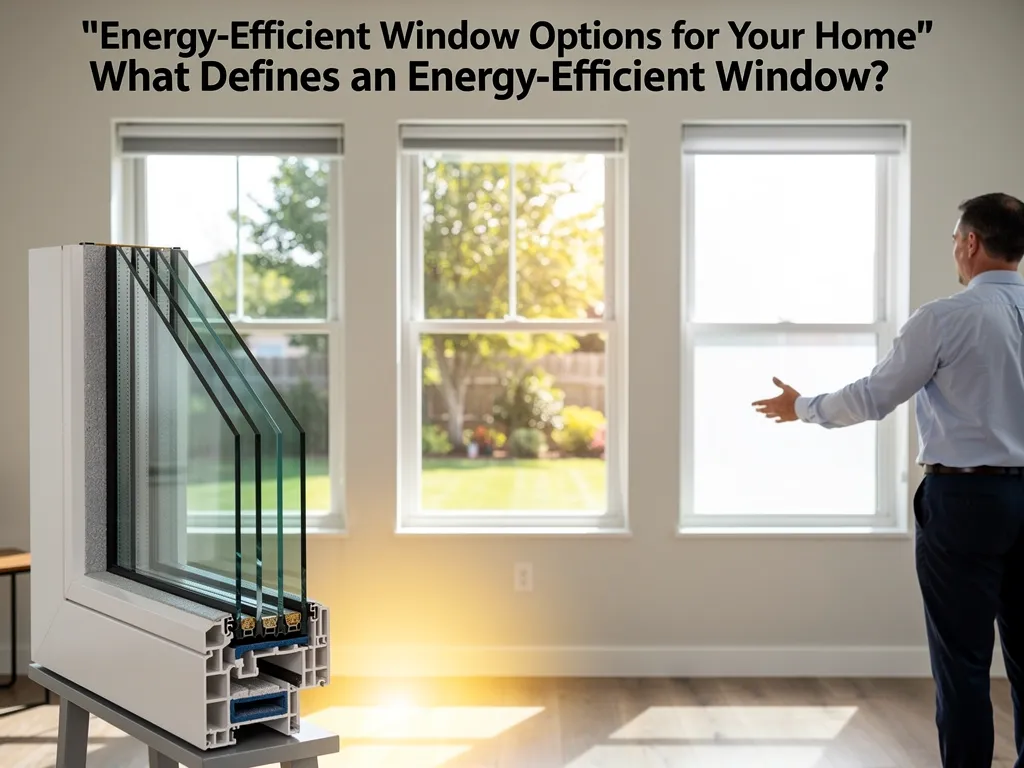
Three technical ratings define an energy-efficient window: U-factor, Solar Heat Gain Coefficient, and Visible Transmittance. These measurements reveal how much heat a window loses, how much solar heat it admits, and how much natural light passes through the glass. Homeowners comparing energy-efficient window options rely on these figures rather than marketing claims alone, since the numbers describe actual thermal performance.
Selecting the right product involves more than glass alone. Window type, glass package, frame material, climate compatibility, and recognized performance labels all factor into the decision. Certification marks like ENERGY STAR and NFRC ratings give homeowners a standardized way to compare products across manufacturers, removing much of the guesswork from the shopping process.
The core performance metrics break down as follows:
- U-factor: measures the rate of heat loss through the window; lower numbers mean better insulation.
- Solar Heat Gain Coefficient (SHGC): measures how much solar radiation passes through as heat; climate and window orientation determine the ideal range.
- Visible Transmittance (VT): measures how much natural light enters the home without sacrificing thermal control.
What do NFRC and ENERGY STAR labels actually show?
NFRC window labels display a window’s U-factor and SHGC, along with VT, side by side, letting shoppers compare products using identical criteria. ENERGY STAR window ratings confirm a window meets established efficiency benchmarks for a given climate zone. Together, these labels translate technical performance into a straightforward, comparable format for homeowners evaluating replacement options.
How Do Glass Technologies Reduce Heat Loss?
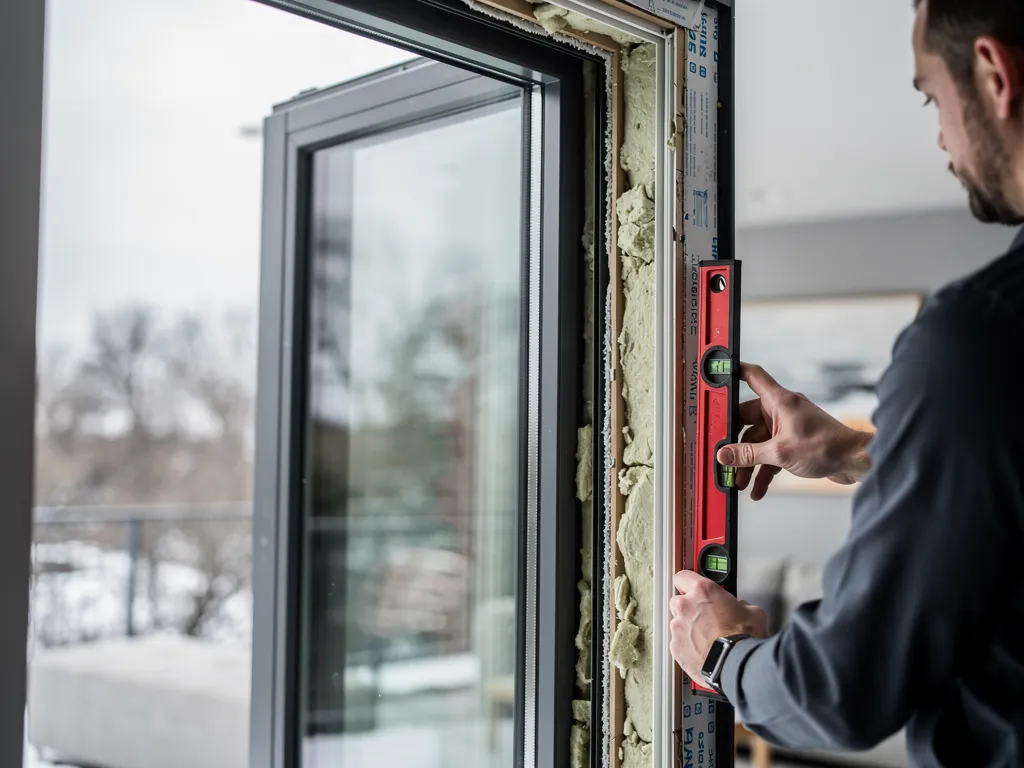
Glass technology reduces heat loss by pairing Low-E glass coatings and layering with correct installation, two factors that work together rather than separately. A poorly fitted window undermines even the best glass package. Climate-matched glazing paired with skilled installation keeps warm or cool air where it belongs. Homeowners weighing energy-efficient window options often focus on glass alone, but installation quality determines whether that glass performs as designed.
Properly selected and installed glass lowers heating and cooling costs, raises indoor comfort, and shrinks a home’s overall carbon footprint. These gains compound over time: less strain on furnaces and air conditioners, fewer drafts near seating areas, and steadier indoor temperatures across seasons. The table below breaks down the role each factor plays.
Does the Type of Glass Matter That Much?
Glass selection matters because different coatings and layering respond to different climate stresses, hot summers versus cold winters, for example. The double-pane vs triple-pane windows decision also plays a role, since triple-pane units add an extra insulating layer that can outperform double-pane glass in the coldest climates. Choosing glass matched to local weather patterns prevents the energy loss that generic glazing allows.
Can Installation Quality Offset a Lower-Grade Glass Package?
Installation quality cannot fully compensate for weak glass, but it protects whatever performance the glass offers. Highly trained, certified installation professionals reduce the gaps and seal failures that waste energy regardless of glass grade, which is why workmanship quality remains central to any window upgrade decision.
Why Do Old Windows Waste So Much Energy?

Old windows waste energy mainly through single-pane glass construction, which insulates poorly against cold weather. Single-pane glass also lacks coatings that block solar heat in summer, pushing air conditioning costs higher. Homeowners weighing modern energy-efficient window options often discover that these older panes are the single biggest culprit behind rising utility bills.
Degraded frames, failed seals, and poor manufacturing add to the loss. Several warning signs point to a window that is working against a home’s comfort rather than for it:
- Single-pane glass with no insulating layer or protective coating
- Drafty frames that let outside air seep through cracks or gaps
- Warped, swollen, or poorly fitted sashes that no longer close tightly
- Degraded seals that allow condensation or moisture intrusion
How Do Drafty Windows Affect Indoor Comfort?
Drafty, poorly made, or degraded windows leave rooms uncomfortable precisely when weather turns extreme. Cold drafts in winter and heat gain in summer force heating and cooling systems to work harder, wasting energy throughout the year. Homes with several outdated windows often feel uneven, with some rooms noticeably colder or warmer than others.
Storm damage frequently accelerates this decline, cracking glass or warping frames beyond repair. Gorilla Exteriors Contracting has extensive experience restoring homes after major weather events, including window damage of this kind. That hands-on restoration work reflects a broader commitment: the company takes great pride in every project it completes, treating each window replacement as an opportunity to restore both comfort and efficiency.
How Does Installation Affect Midwest Window Performance?
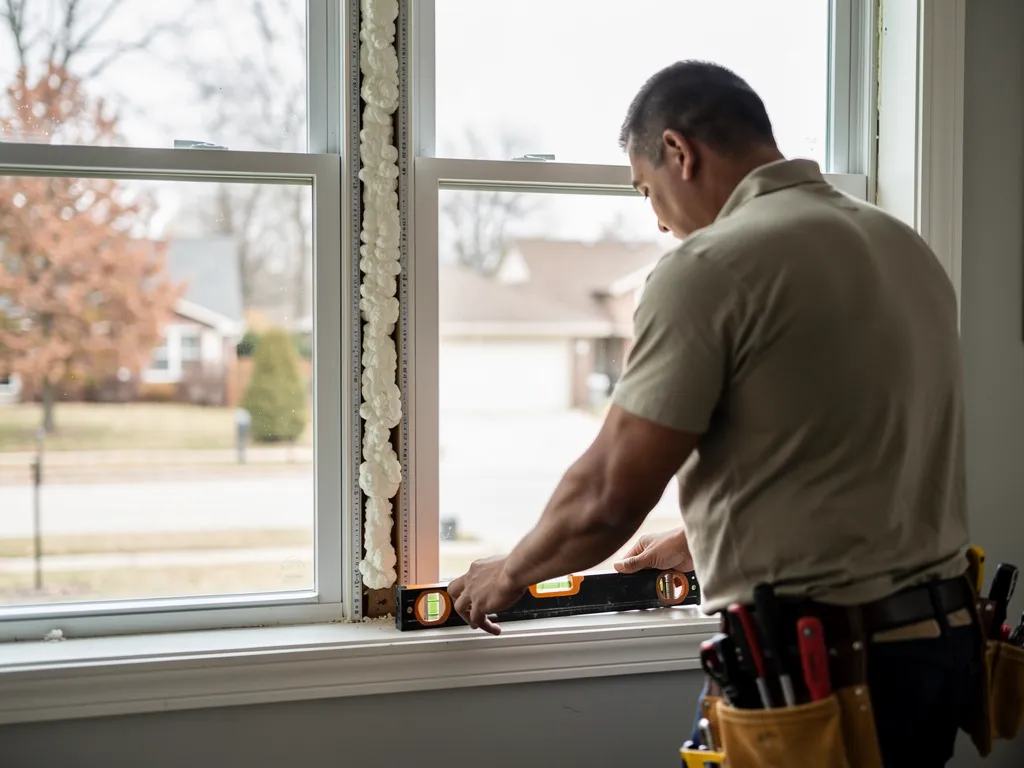
Installation quality determines whether energy-efficient window options deliver the heat retention and cooling benefits they’re built for. A well-fitted frame keeps winter warmth inside and blocks summer heat from entering. A poorly sealed unit undermines even premium glass packages. Climate-specific installation practices matter most in regions with sharp seasonal swings, which is why window replacement Kansas City homeowners trust pairs proven glass packages with installers who understand local weather extremes.
Gorilla Exteriors Contracting LLC operates from Bonner Springs, Kansas, placing the company directly within the climate it installs windows for. That regional footprint shapes an understanding of how local humidity, wind exposure, and temperature extremes stress window seals and frame materials over time. Installers familiar with these conditions can anticipate problem areas before they cause drafts or condensation.
Which Kansas City Communities Rely on Climate-Aware Window Installation?
Homes across the metro face similar seasonal pressures, so installation standards stay consistent region-wide. Gorilla Exteriors Contracting services communities including Bonner Springs, Lenexa, and Overland Park, applying the same climate-informed techniques throughout the area. Consistency across neighborhoods helps ensure comparable performance outcomes regardless of a home’s specific location.
Does Installation Quality Affect Long-Term Energy Savings?
Yes, installation directly shapes how much heating and cooling energy a window ultimately saves. The company’s mission centers on delivering top-quality exterior remodeling work that exceeds expectations rather than just meeting minimum standards. Homeowners exploring upgrades can reach out through the company’s core call-to-action for lead generation to learn more about proper installation practices suited to their property.
FAQ
What factors determine a window’s energy efficiency?
U-factor, Solar Heat Gain Coefficient, and Visible Transmittance define efficiency by measuring heat loss, solar heat admission, and natural light transmission. Window type, frame material, and climate compatibility also influence overall performance.
How do NFRC and ENERGY STAR labels help homeowners compare windows?
NFRC labels display U-factor, SHGC, and VT side by side for standardized comparison across manufacturers. ENERGY STAR certification confirms a window meets efficiency benchmarks for a specific climate zone.
Why does installation quality matter for energy-efficient windows?
A poorly fitted window undermines even the best glass package, while skilled installation paired with climate-matched glazing keeps warm or cool air in place.
In closing, energy-efficient windows deliver measurable returns only when premium glass pairs with expert installation and proper climate-matched selection. The Kansas City metro’s seasonal extremes demand windows that perform reliably year-round. That performance depends equally on what you choose and who installs it. Homeowners committed to lasting comfort, lower utility costs, and superior curb appeal benefit most from working with contractors who understand local weather patterns and stand behind their workmanship with genuine guarantees.


