

Cold weather can be just as damaging to your roof as severe storms, sometimes even more so. In the Kansas City area, winter brings freezing temperatures, snow, ice, and rapid freeze-thaw cycles that quietly stress your roofing system day after day. Understanding how cold weather affects your roof can help you spot problems early and avoid costly repairs down the line.
1. Freeze-Thaw Cycles Weaken Roofing Materials
One of the biggest winter threats is the constant freezing and thawing that happens in our region. Moisture seeps into small cracks around shingles, flashing, or sealants. When temperatures drop, that moisture freezes and expands, widening gaps and loosening materials. Over time, this process can lead to cracked shingles, compromised flashing, and eventual leaks.
2. Ice Dams Trap Water Where It Doesn’t Belong
Ice dams form when heat from your attic melts snow on the roof, which then refreezes near the eaves. As ice builds up, it creates a barrier that prevents melting snow from draining properly. Water can back up under shingles and seep into your home, damaging insulation, ceilings, and walls. Poor insulation and ventilation often make this problem worse.
3. Snow Load Adds Serious Weight
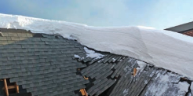
While roofs are designed to handle normal snowfall, heavy or repeated snow accumulation can put extra stress on the structure – especially on older roofs or flat and low-slope systems. Excessive weight can worsen existing weaknesses, cause sagging, or expose vulnerabilities that may not be obvious until spring.
4. Cold Temperatures Make Shingles Brittle
Asphalt shingles become more brittle in cold weather. This means they’re more likely to crack or break, especially during high winds or if walked on for maintenance. Even small damage during winter can turn into major leaks once temperatures rise and snow melts.
5. Gutters and Downspouts Can Freeze Solid
When gutters fill with ice, they can pull away from the roofline or prevent proper drainage. This forces water back onto the roof or down exterior walls, increasing the risk of rot, mold, and foundation issues. Frozen gutters also contribute to ice dam formation.

How to Protect Your Roof During Winter
- Schedule a pre-winter roof inspectionto catch small issues early
- Ensure proper attic insulation and ventilationto reduce ice dams
- Keep gutters cleanso melting snow can drain freely
- Address minor repairs promptly, even in colder months.
Trust Local Experts Who Understand Kansas City Winters
At Gorilla Exteriors Contracting, we’ve seen firsthand how Kansas City winters impact roofs year after year. Our team understands the unique challenges of freeze-thaw cycles, snow load, and ice damage – and we know how to fix problems before they turn into expensive emergencies.
If you’re concerned about how this winter has affected your roof, a professional inspection can give you peace of mind. Catching issues early is the best way to protect your home, your budget, and your roof’s lifespan.
Cold weather is tough on roofs – but with the right care, yours can make it through winter strong.