Frequently Asked Questions
What are the signs of roof damage?
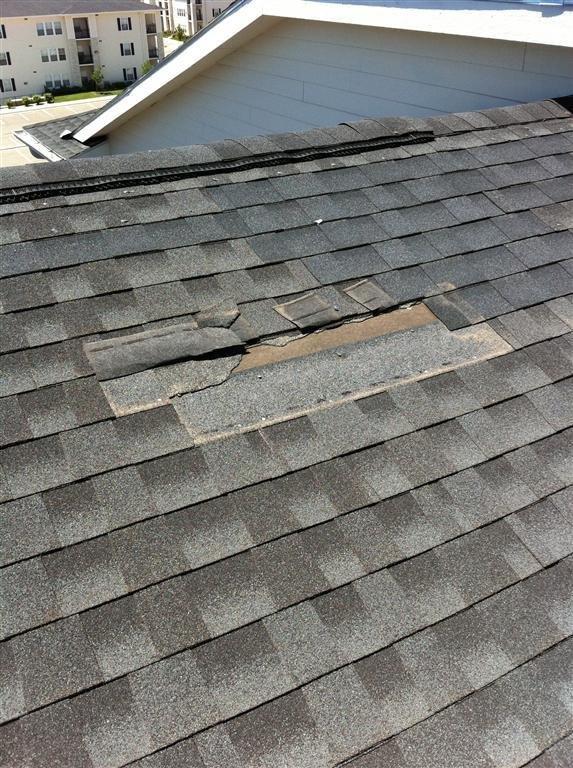
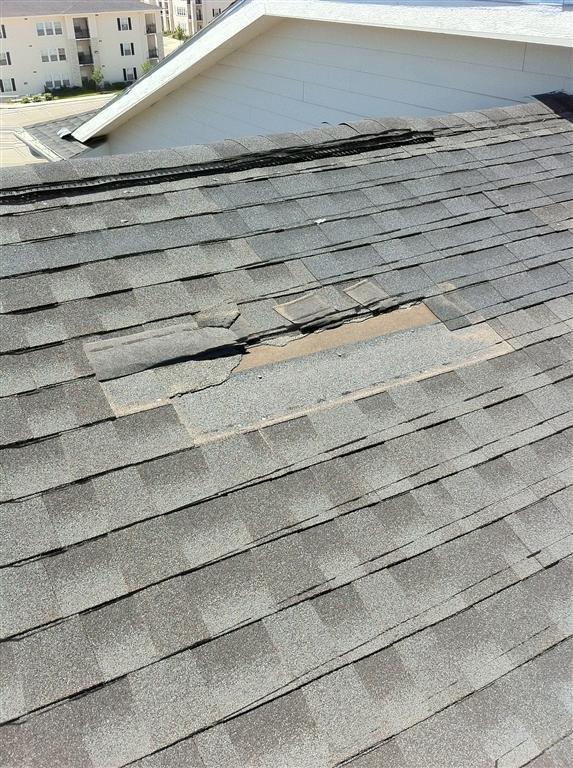
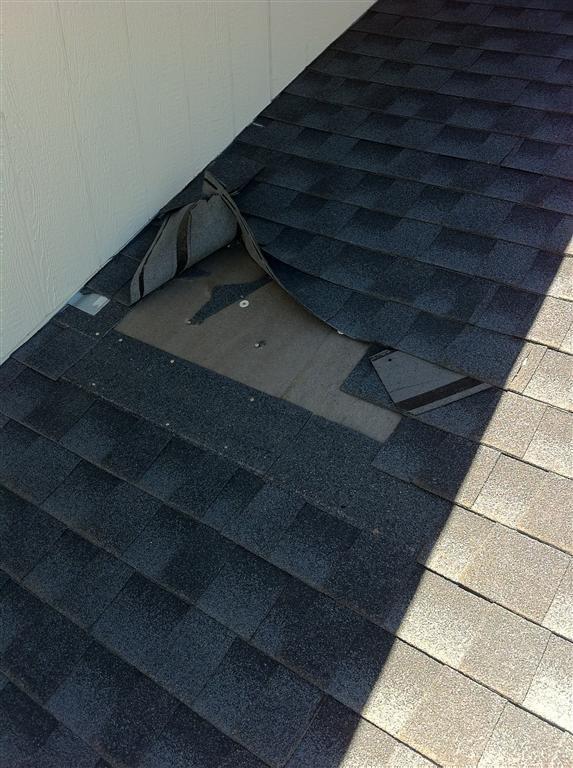
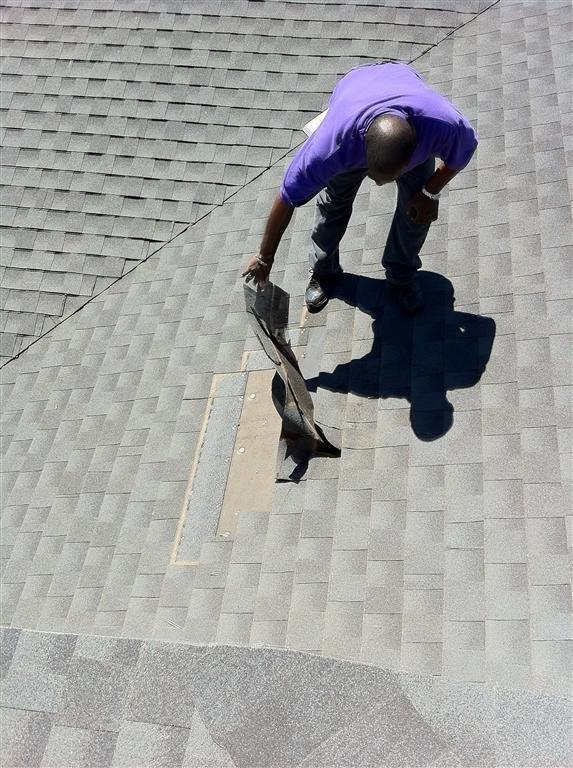
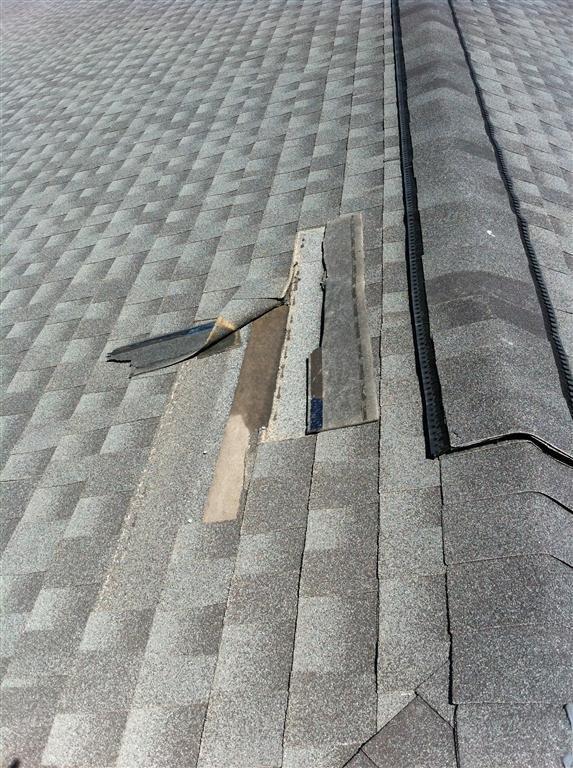
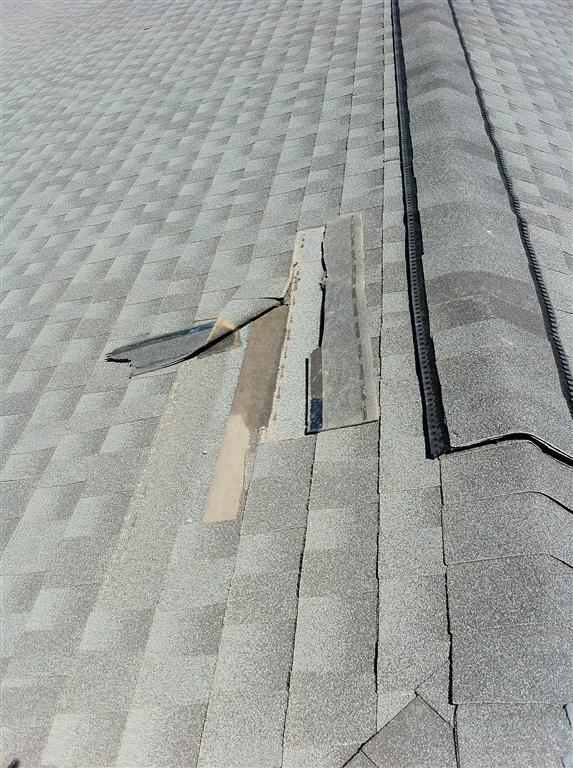
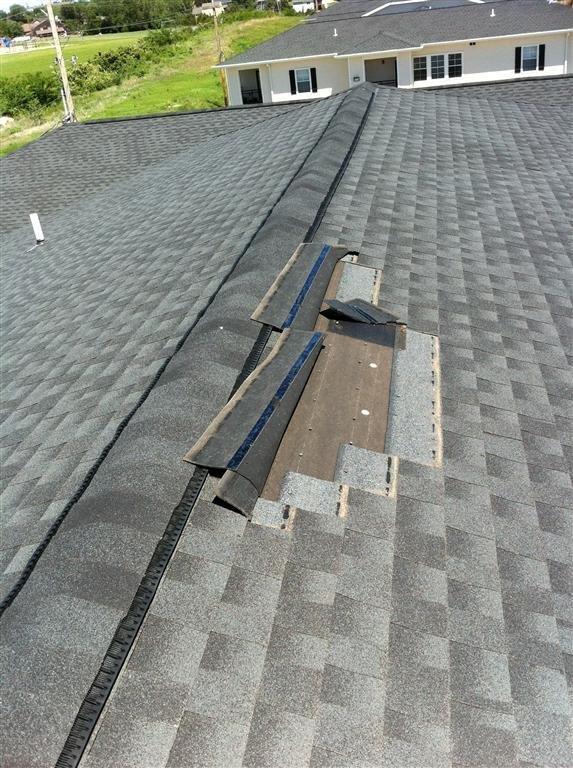
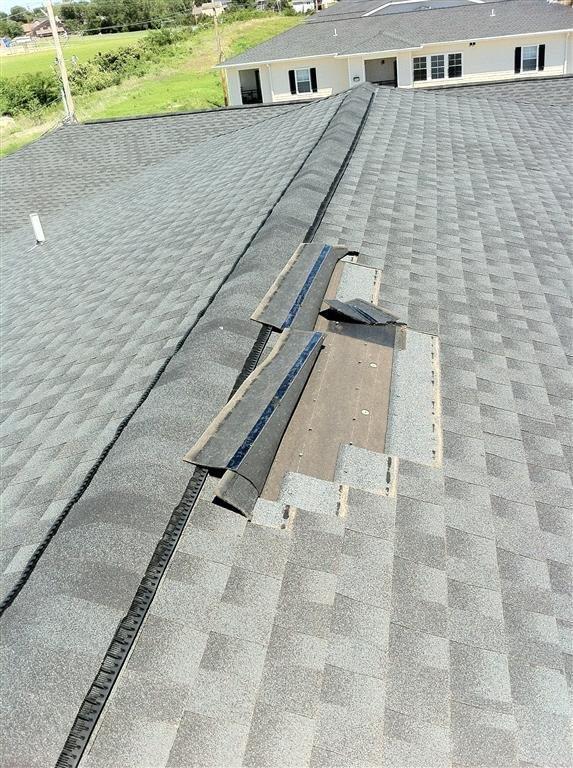
The signs of roof damage include missing or cracked shingles, leaks in the ceiling, water stains, mold growth, and granules in the gutters. Regular inspections can help identify these issues early and prevent further damage.
How long does roof repair take?
The duration of roof repair can vary based on the extent of the damage and the type of roofing material used. Typically, minor repairs may take a few hours, while more extensive work could require a day or two.
What materials are best for roof installation?
The best materials for roof installation include asphalt shingles, metal roofing, and slate. Each offers unique benefits such as durability, energy efficiency, and aesthetic appeal, making them suitable choices for various roofing needs.
How to choose a roofing contractor?
Choosing a roofing contractor involves evaluating their experience, checking for proper licensing and insurance, reading customer reviews, and requesting detailed estimates. Ensure they offer warranties and clear communication throughout the project for a successful partnership.
What is the cost of roof repair?
The cost of roof repair varies based on factors such as the extent of damage, materials used, and labor. On average, homeowners can expect to pay between $300 and $1,500 for repairs.
How often should roofs be inspected?
Roofs should be inspected at least once a year. Additionally, it's advisable to conduct inspections after severe weather events to identify any potential damage early and ensure the longevity of your roofing system.
What are the benefits of roof maintenance?
The benefits of roof maintenance are numerous. Regular maintenance extends the lifespan of your roof, prevents costly repairs, enhances energy efficiency, and ensures protection against weather damage, ultimately safeguarding your home and investment.
How to identify a roof leak?
Identifying a roof leak involves checking for water stains on ceilings or walls, damp spots in the attic, or missing shingles. Regular inspections after heavy rain can help pinpoint potential issues before they escalate.
What types of roofing services are available?
The types of roofing services available include installation, maintenance, and repairs, ensuring comprehensive solutions for all your roofing needs in Overland Park, Kansas.
How to prepare for roof installation?
Preparing for roof installation involves clearing the area around your home, securing pets indoors, and ensuring easy access for the roofing crew. Additionally, removing any outdoor furniture or decorations can help facilitate a smooth installation process.
What warranties are offered on roofing services?
The warranties offered on roofing services include both manufacturer warranties on materials and workmanship warranties from Gorilla Exteriors, ensuring protection against defects and providing peace of mind for our customers.
How to extend the life of a roof?
Extending the life of a roof involves regular maintenance, such as routine inspections, prompt repairs of any damage, and keeping gutters clear of debris. Additionally, ensuring proper ventilation and using quality materials during installation can significantly enhance durability.
What is the process of roof replacement?
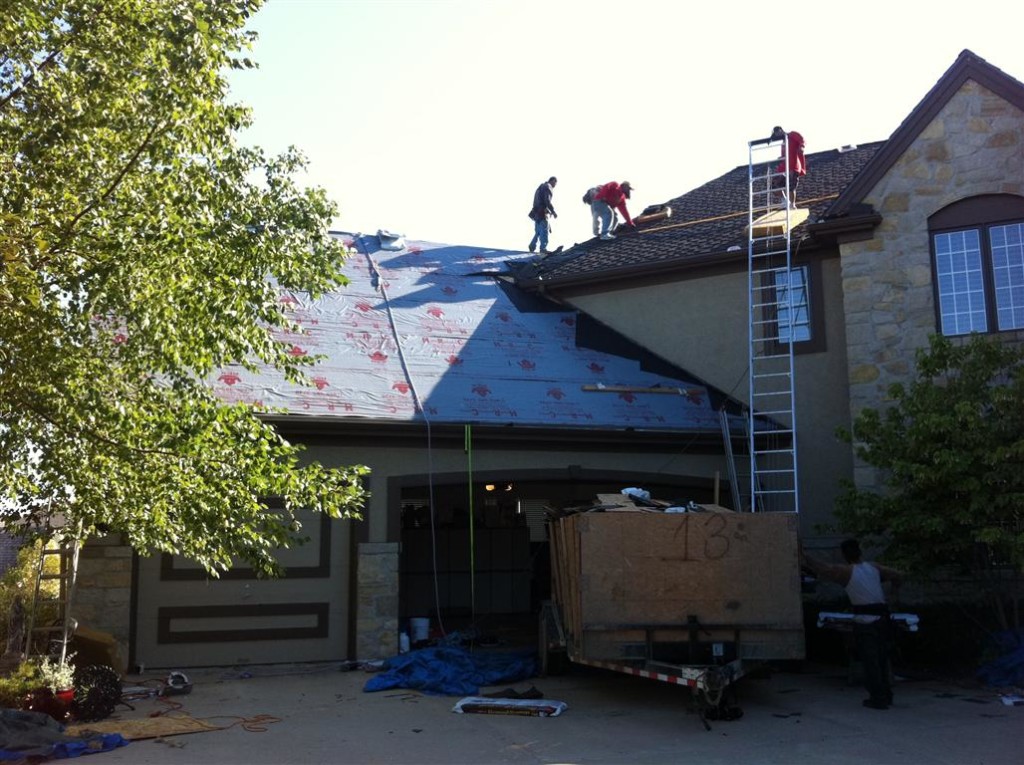
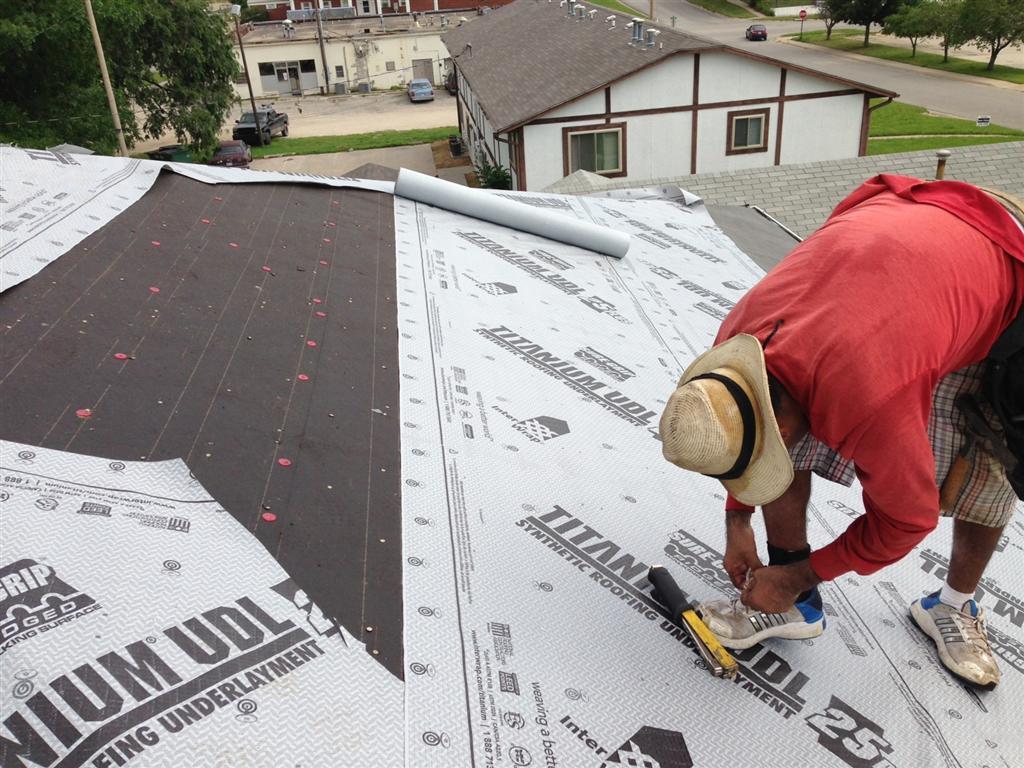
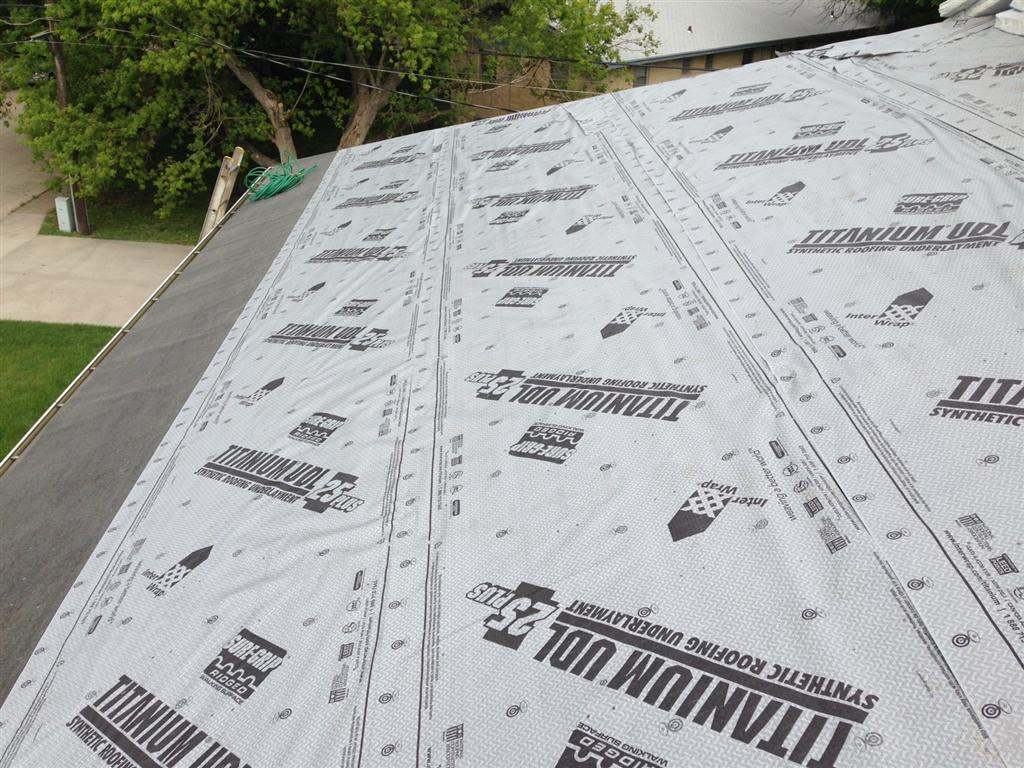
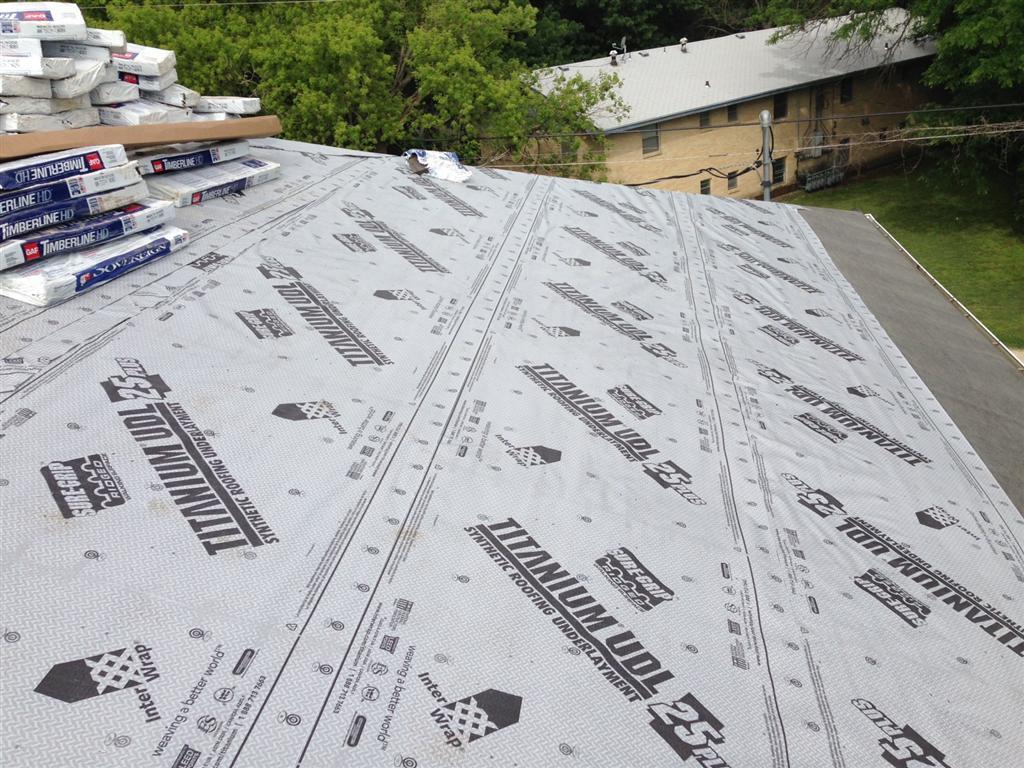
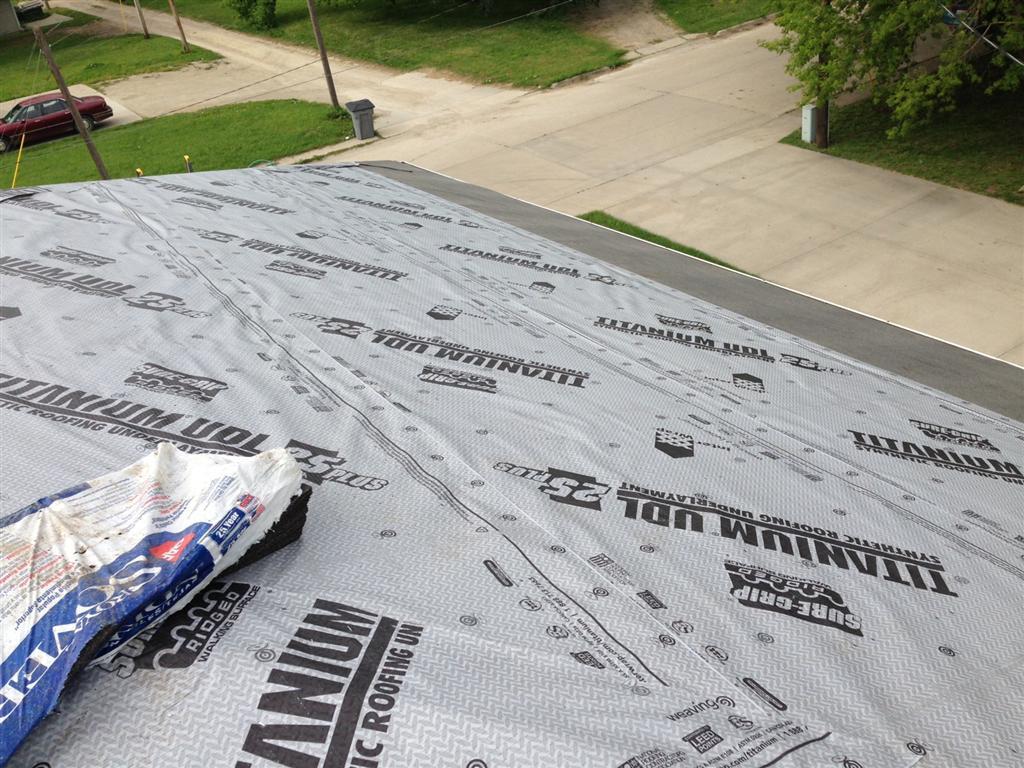
The process of roof replacement involves several key steps: first, a thorough inspection to assess the existing roof; next, the removal of old materials; followed by repairs to the underlying structure; and finally, the installation of new roofing materials to ensure durability and protection.
How to find reliable roofers in Overland Park?
Finding reliable roofers in Overland Park involves researching local companies, checking online reviews, and asking for recommendations from friends or family. Ensure they are licensed, insured, and offer warranties on their work for added peace of mind.
What factors affect roof installation costs?
The factors that affect roof installation costs include the type of roofing material, the size and complexity of the roof, labor costs, and any necessary permits or additional features such as insulation or ventilation systems.
How to assess roof damage after a storm?
Assessing roof damage after a storm involves inspecting for missing shingles, leaks, or visible cracks. Use binoculars for a distant view, and if safe, check the interior for signs of water damage. For a thorough evaluation, consider contacting a professional.
What are common roofing materials used?
Common roofing materials used include asphalt shingles, metal roofing, tile, slate, and wood shakes. Each material offers unique benefits in terms of durability, cost, and aesthetics, allowing homeowners to choose based on their specific needs and preferences.
How to maintain a flat roof?
Maintaining a flat roof involves regular inspections, cleaning debris, checking for standing water, and ensuring proper drainage. Additionally, seal any cracks and apply protective coatings to extend the roof's lifespan and prevent leaks.
What should I expect during a roof evaluation?
During a roof evaluation, you can expect a thorough inspection of your roof's condition, including an assessment of shingles, flashing, and any potential leaks or damage. Our experts will provide you with a detailed report and recommendations.
How to choose the right roofing style?
Choosing the right roofing style involves considering your home's architecture, the local climate, and your budget. Assess materials, durability, and aesthetic appeal to ensure the roof complements your property while meeting functional needs.
What are the latest roofing trends?
The latest roofing trends include eco-friendly materials, such as solar shingles and recycled roofing products, as well as innovative designs that enhance energy efficiency and aesthetics. Additionally, homeowners are increasingly opting for durable, low-maintenance options that offer long-lasting performance.
How to handle roofing emergencies?
Handling roofing emergencies involves quickly assessing the damage, ensuring safety, and contacting a professional roofing service like Gorilla Exteriors for immediate assistance. Avoid attempting repairs yourself to prevent further issues.
What is the average lifespan of a roof?
The average lifespan of a roof varies by material, typically ranging from 15 to 50 years. Asphalt shingles last about 20-30 years, while metal roofs can last 40-70 years with proper maintenance.
How to improve roof energy efficiency?
Improving roof energy efficiency involves several strategies. Consider installing reflective roofing materials, adding insulation, and ensuring proper ventilation to reduce heat absorption and maintain a comfortable indoor climate. Regular maintenance also plays a key role in optimizing energy performance.
What are the best practices for roof repairs?
The best practices for roof repairs include conducting regular inspections, addressing issues promptly, using high-quality materials, and ensuring proper installation by hiring experienced professionals. This approach helps maintain the roof's integrity and prolongs its lifespan.
How to ensure proper roof ventilation?
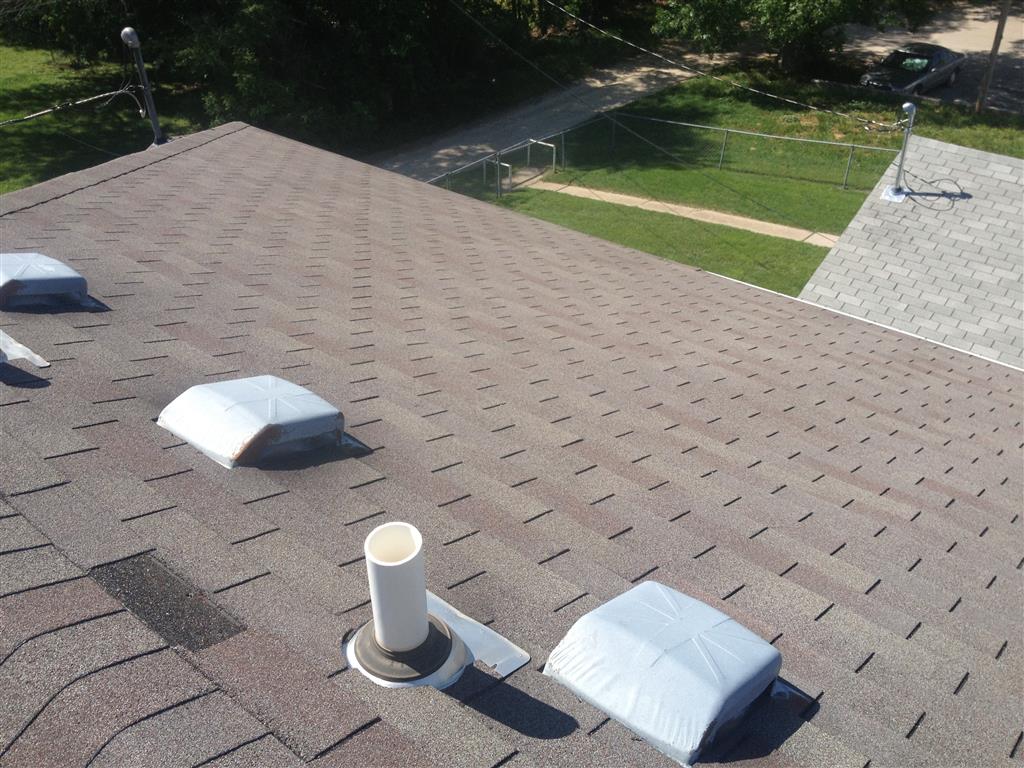
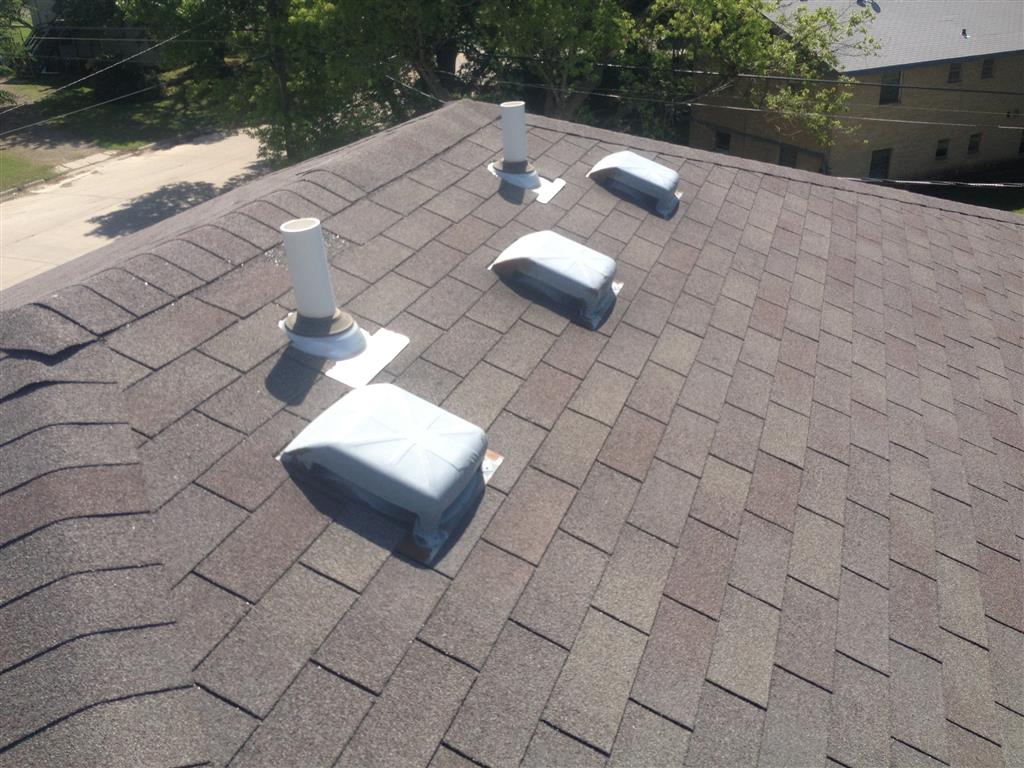
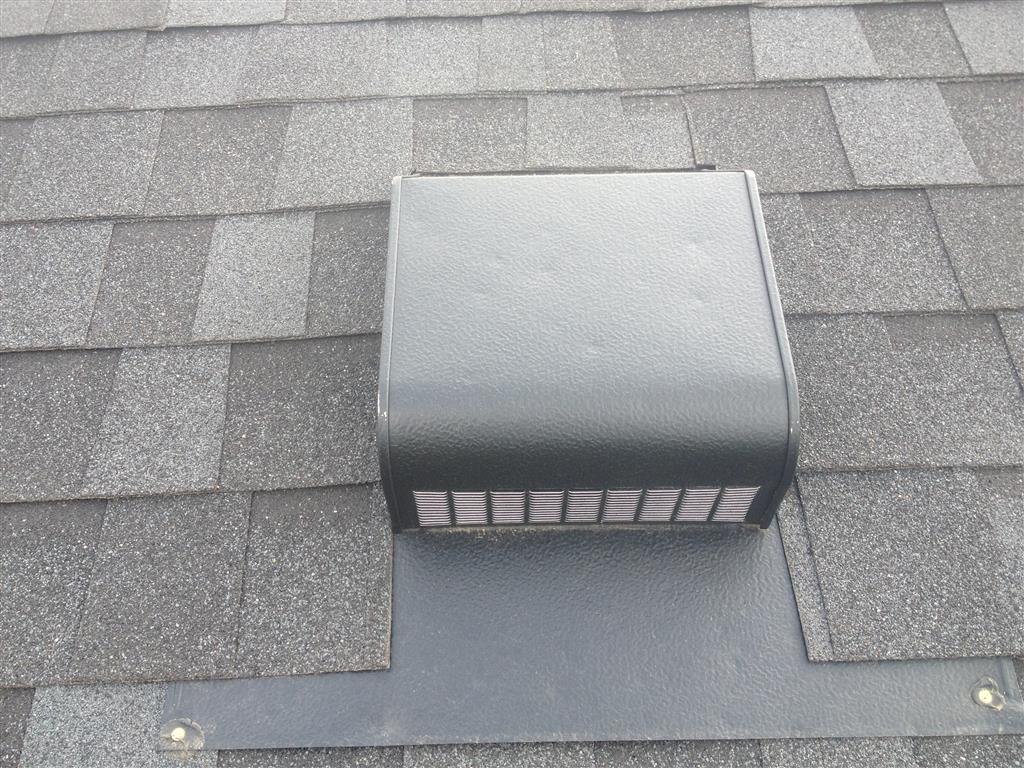
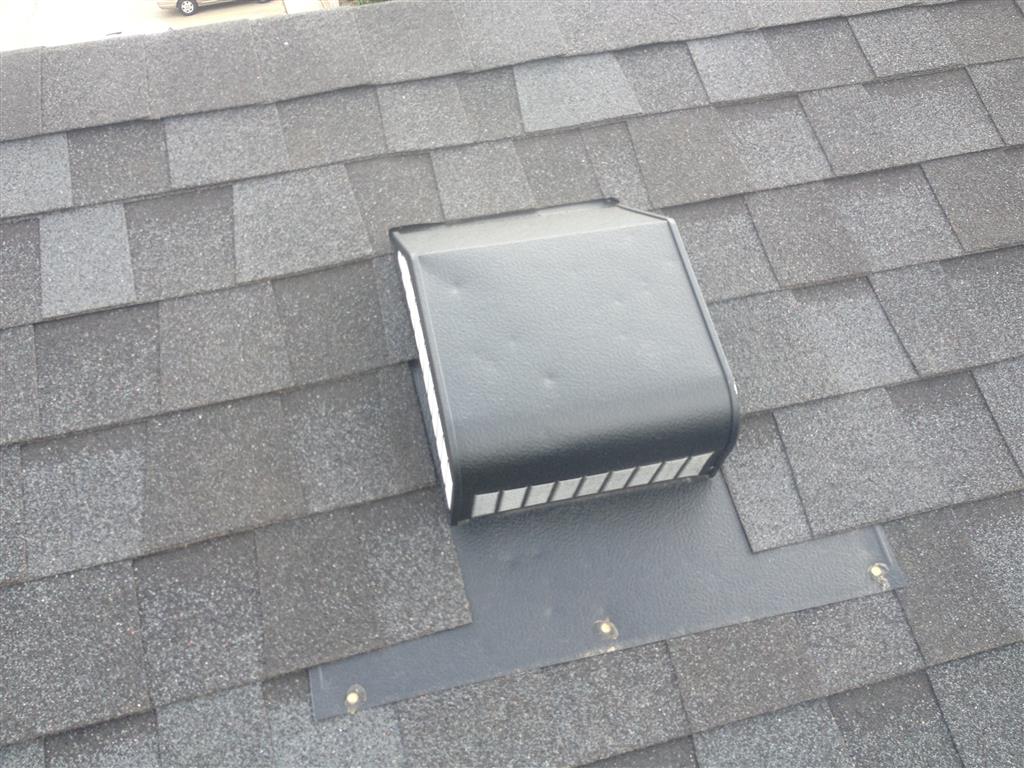
Ensuring proper roof ventilation involves installing adequate intake and exhaust vents to promote airflow, allowing hot air to escape and preventing moisture buildup. Regular inspections and maintenance of these systems are essential for optimal performance.
What are the risks of DIY roof repairs?
The risks of DIY roof repairs include potential safety hazards, improper installation leading to further damage, lack of warranty on materials, and increased costs from future repairs. It's often safer and more cost-effective to hire professionals.
How to prepare for winter roof challenges?
Preparing for winter roof challenges involves inspecting your roof for damage, clearing gutters of debris, and ensuring proper insulation to prevent ice dams. Regular maintenance will help safeguard your roof against harsh winter conditions.
What are the signs of a good roofing company?
The signs of a good roofing company include proper licensing and insurance, a solid reputation with positive customer reviews, transparent pricing, experienced professionals, and a commitment to quality materials and workmanship.