
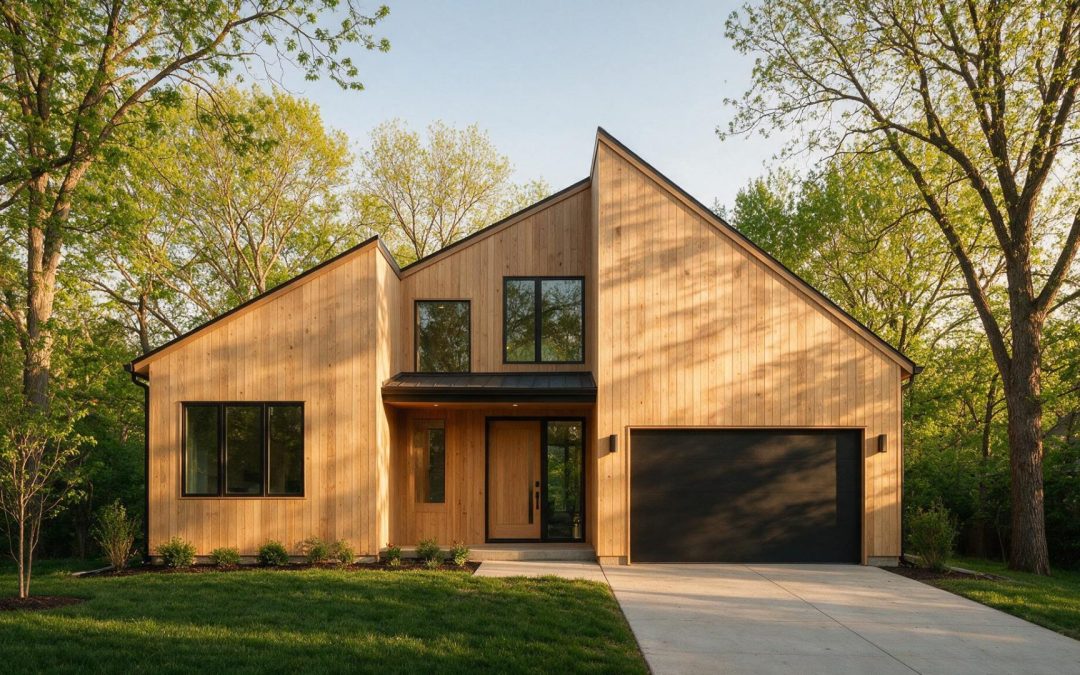
Learn the 7 signs your Shawnee Kansas home needs siding repair and how to choose between repairing damaged panels and replacing your siding.
Your siding may need repair if you see cracks, loose panels, dents, gaps or water stains. Higher energy bills and moisture inside the building can also point to a siding problem.
Siding does more than improve curb appeal. It helps protect the walls from rain, wind, insects and changing temperatures. When one section fails, water can reach the materials behind it.
Here are seven signs Shawnee property owners should not ignore.
1. Is Cracked Siding a Serious Problem?
Yes. Cracked siding can create a direct path for water, insects and cold air to enter behind the exterior surface.

Small cracks are easy to miss from a distance. They often appear near corners, windows, doors or areas hit by hail and flying debris.
Look for:
- Thin splits in vinyl siding
- Broken corners
- Holes in individual panels
- Cracks around fasteners
- Pieces of siding on the ground
- Dark lines that were not visible before
One damaged panel may be repairable. Several cracks across multiple walls may point to older, brittle material or widespread storm damage.
2. Why Is My Siding Loose After a Storm?
Strong wind can pull siding away from the wall or loosen the fasteners that hold it in place. A loose panel may move, rattle or lift during windy conditions.
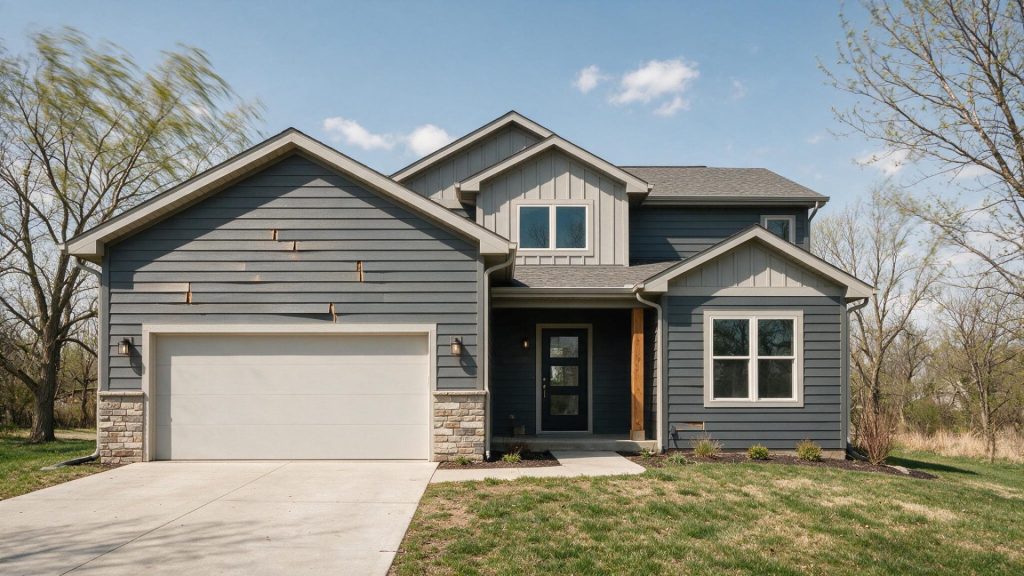
Properly installed vinyl siding is designed to move slightly as temperatures change. It should not flap or pull away from the building.
Loose siding can allow wind-driven rain to reach the moisture barrier beneath it. It may also become more damaged during the next storm.
Signs of loose siding include:
- Panels that look uneven
- Visible gaps between rows
- Rattling sounds outside
- Corners pulling away
- Siding that moves more than nearby panels
- Missing sections after high wind
Do not try to force a panel back into place without checking what caused it to loosen. The panel, fasteners or wall surface may be damaged.
3. Can Hail Damage Siding Without Breaking It?
Yes. Hail can dent, chip or weaken siding without creating an obvious hole.

Damage can look different depending on the material.
Vinyl siding
Vinyl may crack, split or develop small holes. Damage can be easier to see when sunlight hits the wall at an angle.
Fiber cement siding
Fiber cement may show chips, cracks or impact marks. Paint may also separate from the damaged area.
Metal siding
Metal siding may have dents or shallow impact marks. These can be cosmetic, but damaged seams or coatings may need attention.
Wood siding
Wood may split, chip or lose paint. Exposed wood can absorb moisture and begin to rot.
Inspect all sides of the building from the ground after a hailstorm. One wall may be damaged more than the others because of the storm’s direction.
4. What Causes Siding to Warp or Buckle?
Siding can warp because of heat, incorrect installation, moisture or a lack of space for normal expansion.
Vinyl siding expands in warm weather and contracts when temperatures fall. If it is attached too tightly, it cannot move as designed. The panels may begin to buckle or wave.
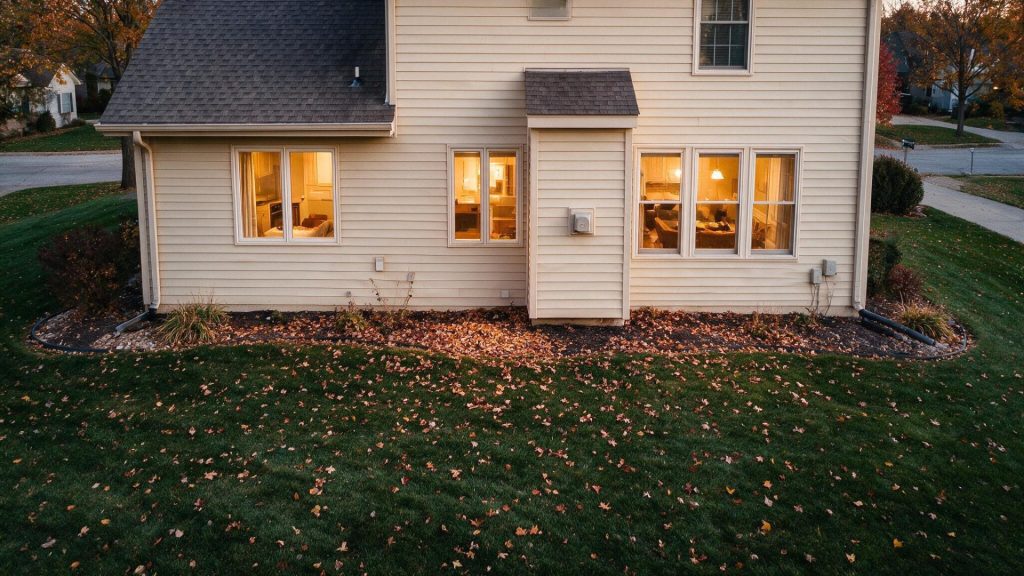
Warped siding can also point to a deeper wall problem. Moisture-damaged sheathing or poor ventilation may push the siding outward.
Watch for:
- Wavy panels
- Bulges in one area
- Sections that no longer lie flat
- Melted or distorted vinyl
- Panels pressing against trim
- Siding that appears pinched near fasteners
A contractor should determine whether the problem is limited to the siding or comes from the wall beneath it.
5. Does Faded Siding Need to Be Replaced?
Not always. Fading is often cosmetic, but uneven or severe fading can make repairs difficult to match.
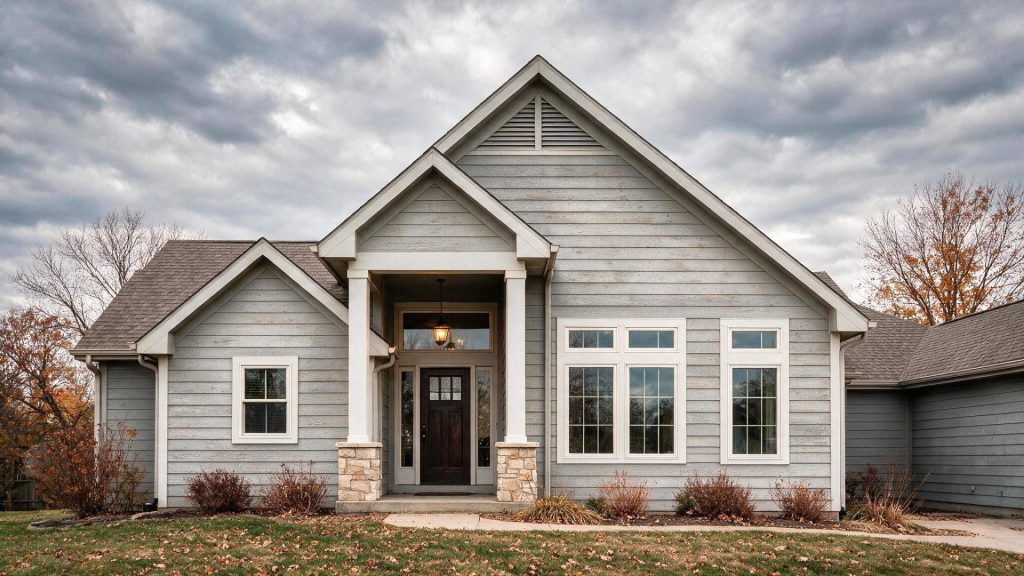
Sunlight and weather slowly change the color of exterior materials. If one panel is replaced after many years, a new panel in the original color may stand out from the surrounding wall.
Fading may support replacement when it appears with:
- Brittle or cracked panels
- Widespread chalking
- Peeling finishes
- Repeated repairs
- Loose sections
- Moisture problems
If the siding is still strong and properly attached, cleaning or painting may be an option for some materials. Vinyl siding requires the correct paint and preparation because it expands with temperature changes.
6. Can Interior Moisture Be Caused by Bad Siding?
Yes. Damaged siding, failed caulking or gaps around windows can allow water into the wall system.
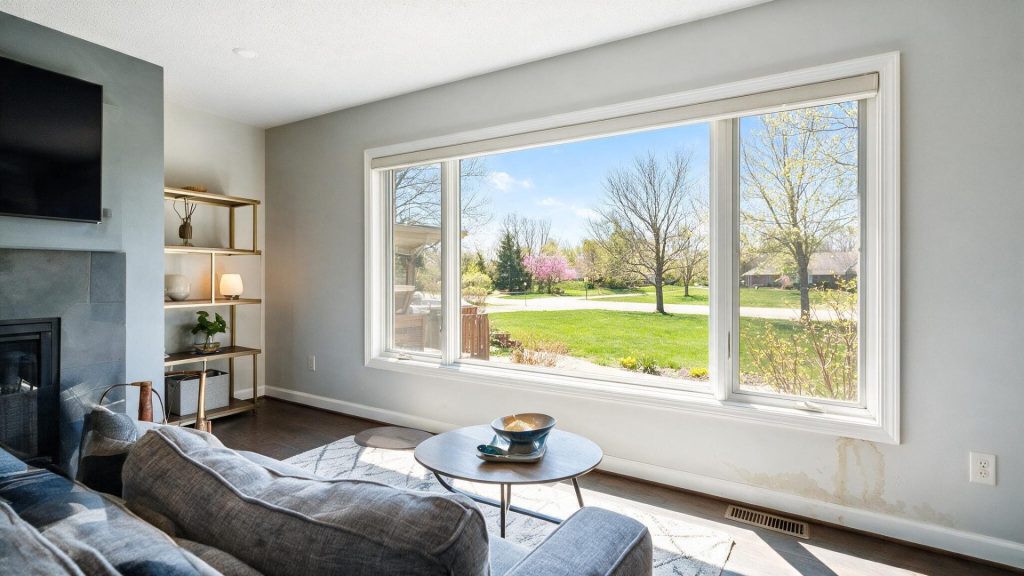
Interior warning signs may include:
- Water stains near windows
- Peeling paint
- Soft drywall
- Musty smells
- Damp insulation
- Mold growth
- Swollen window trim
The visible stain may not be directly beside the exterior opening. Water can move along framing before appearing inside.
Covering an interior stain will not stop the leak. The inspection must identify where water enters and whether the sheathing, insulation or framing has been affected.
7. Why Are My Heating and Cooling Bills Increasing?
Damaged siding can contribute to higher energy use if gaps allow outside air into the wall or if moisture has reduced the effectiveness of the insulation.
Siding is only one part of the exterior wall system. Windows, doors, insulation and air sealing also affect indoor comfort.
Consider an exterior inspection if higher energy bills occur with:
- Drafts near exterior walls
- Rooms that are hard to heat or cool
- Loose siding
- Gaps around windows
- Wet insulation
- New moisture stains
Energy bills alone do not prove that siding is damaged. Several warning signs together make an exterior problem more likely.
Siding Damage Inspection Checklist
Use this checklist from the ground after strong wind, hail or heavy rain.
Check each side of the building
- Look for cracks, dents and holes.
- Check whether panels appear loose or uneven.
- Look for sections that are bowed or warped.
- Check corners and trim for separation.
- Look for paint chips or exposed material.
- Compare walls facing different directions.
Check windows and doors
- Look for gaps around trim.
- Check for cracked or missing caulk.
- Look for water stains below windows.
- Check whether trim is loose or damaged.
Check nearby exterior components
- Look for dents in gutters and downspouts.
- Check garage doors for impact marks.
- Look for missing roof shingles.
- Check exterior vents and light fixtures.
- Look for pieces of siding in the yard.
Check the interior
- Look for new stains near exterior walls.
- Notice musty smells after rain.
- Check for drafts.
- Look for peeling paint or soft drywall.
Take clear photos from a safe location. Do not use a ladder during wet or windy weather.
Should You Repair or Replace Damaged Siding?
Repair usually makes sense when damage is limited and the existing siding is still in good condition. Replacement may be more practical when damage is widespread or the siding has several age-related problems.

Siding repair may make sense when:
- Only a few panels are damaged
- Matching material is available
- The moisture barrier is intact
- The surrounding siding is not brittle
- The damage is limited to one small area
- The wall beneath the siding is dry and solid
Siding replacement may make sense when:
- Several walls have storm damage
- The siding cracks during simple repairs
- Matching panels are no longer available
- Moisture has reached multiple wall sections
- The siding is heavily faded
- Repairs have become frequent
- You want to improve the property’s appearance or energy performance
A contractor should explain what can be repaired, what needs replacement and how well new materials will match.
What Happens During a Professional Siding Inspection?
A siding inspection should cover more than visible panels. The contractor should look for the cause of the problem and check nearby exterior systems.
The process may include:
- Reviewing the property from every side. Damage may be concentrated on the wall that faced the wind or hail.
- Checking panels and fasteners. The contractor looks for cracks, loose pieces, incorrect attachment and movement.
- Inspecting trim and openings. Windows, doors, corners and vents are common places for water to enter.
- Checking the moisture barrier. If panels are removed, the material behind them should be inspected for tears or water damage.
- Looking at connected systems. Roof edges, gutters and flashing can direct water toward the siding.
- Explaining repair and replacement options. The recommendation should include the affected areas, materials and expected scope of work.
How Are Residential and Commercial Siding Repairs Different?
Residential siding repairs often involve vinyl, fiber cement, engineered wood, traditional wood or metal. Matching the home’s color and panel style is usually an important part of the project.

Commercial properties may use metal panels, fiber cement, exterior insulation systems or other cladding materials. Repairs may require more planning because of building height, tenant access and operating hours.
Commercial siding damage can affect:
- Wall insulation
- Interior offices
- Stored products
- Tenant spaces
- Exterior signs
- Electrical equipment
- Customer entrances
Both residential and commercial repairs should protect the wall from moisture and restore a secure exterior surface.
A Shawnee Siding Repair Example
Consider a realistic example involving the Thompson family in Shawnee. After a hailstorm, they noticed small chips near a window but believed the damage was only cosmetic.
During the inspection, Gorilla Exteriors found cracks in several vinyl siding panels on the west side of the home. One panel had a small opening that allowed rain to reach the moisture barrier. The barrier was marked but had not yet allowed water into the wall sheathing.
Because the damage was limited and compatible replacement panels were available, the recommendation was to replace the affected siding and repair the barrier behind it. The rest of the siding did not need to be replaced.
The lesson is that a small exterior mark can hide a larger opening. Early inspection can help keep limited damage from spreading into the wall.
Why Siding Condition Matters in Shawnee
Shawnee homes and businesses experience strong winds, hail, heavy rain, summer heat and winter temperature changes. These conditions place repeated stress on exterior materials.
Temperature changes are especially important for vinyl siding because the material expands and contracts. Poor installation may not become obvious until the siding has gone through several seasons.
Trees can also create exterior risks. Falling branches may crack panels while leaves and debris can block gutters. An overflowing gutter may then send water down the siding and into weak areas around windows or doors.
Property owners throughout Shawnee, Lenexa, Merriam and Overland Park should check exterior walls after major storms and whenever new moisture appears indoors.
What Affects the Cost of Siding Repair?
The cost depends on the size of the damaged area, type of siding and condition of the wall beneath it.
Common cost factors include:
- Number of damaged panels
- Siding material
- Building height
- Ease of access
- Color and style matching
- Moisture barrier repairs
- Damaged insulation or sheathing
- Window and door trim
- Removal and disposal
- Painting or finishing
- Residential or commercial requirements
Gorilla Exteriors should inspect the affected area before recommending a scope of work. Pricing cannot be determined from a photo alone if hidden wall damage may be present.
What Should You Do Next?
- Photograph visible damage. Take pictures of cracks, dents and loose panels from the ground.
- Check inside the building. Look for moisture, drafts and stains near the affected wall.
- Avoid pulling on damaged siding. Removing a panel incorrectly can cause more damage or expose the wall to rain.
- Schedule an exterior inspection. Ask the contractor to check the siding, moisture barrier, trim, windows and gutters.
- Request a written recommendation. The proposal should explain whether the siding can be repaired or should be replaced.
Schedule Siding Repair in Shawnee, KS
Cracked or loose siding can allow water to reach parts of your property that were meant to stay dry. Addressing the problem early may make a smaller repair possible.
Gorilla Exteriors has served homeowners and businesses in the Kansas City area since 2005. We repair and replace siding along with roofing, gutters, painting and other exterior systems. Our team looks at how these parts work together before recommending a solution.
Contact Gorilla Exteriors to schedule an exterior inspection or request an estimate for siding repair in Shawnee, KS. We will explain what is damaged and help you choose the right next step.
Frequently Asked Questions
Can one damaged siding panel be replaced?
Yes, one panel can often be replaced if the surrounding siding is still in good condition and a compatible material is available. Color matching may be difficult if the existing siding has faded.
How soon should storm-damaged siding be repaired?
Storm-damaged siding should be inspected promptly. Cracks and loose panels can allow water to reach the moisture barrier and wall beneath them.
Does homeowners insurance cover siding damage?
Insurance may cover siding damaged by a covered event such as hail or wind, but coverage depends on the policy. Your insurance company decides whether the damage is covered.
Can damaged siding cause mold?
Yes. Water entering behind damaged siding can create damp conditions that support mold growth. The affected wall must be dried and the entry point repaired.
Can Gorilla Exteriors inspect my roof and siding together?
Yes. Gorilla Exteriors can inspect siding, roofing, gutters and related exterior components during the same visit. This is helpful after a storm because damage may affect more than one part of the property.


